
- Company overview The heart of SMC Vision & Philsophy Partnership Certifications Company culture
- Our service Design and Engineering Maintenance and Service Examine Production Line Upgrade and Transformation Storage and Logistics Processing, Trading and Distributor
- Management Our history Global responsibility Info Center
- Procurement center Internship
- Metal Steel Products Stainless Steel Products Aluminum Products Copper Products Galvanized Steel and PPGI Special Alloy Building Material
- Containers ISO Standard Container Equipment Container Storage Container Tank Container Container Fittings Container Trailer Refrigerated/Reefer Container Offshore Container Container House
- Gas Cylinder & Fire Extinguisher Cryogenic Liquid Cylinder Oxygen Gas Cylinder Storage Tank CNG Gas Cylinder LPG Gas Cylinder Hydrogen Gas Cylinder Nitrogen Gas Cylinder Industry Gas Cylinder Fire Extinguisher
- Metal Machinery Motor Forming Machine Cutting Machine Processing Machine Bending Machine Block Machine Spare Parts Other Machinery
- Mechanical Products Conveyor Belt Miscellany Mooring Equipment Laser Equipment Bearing Marine Equipment Vehicle Industry Pressure Vessel
- Electrical System Transformer Production Line Lighting System Power Distribution Automation Electrical Cable Solar Power System Electric Protection System
- Project Plastic Pipes and Pipe Fittings Fiberglass Reinforced Plastic Pontoon System
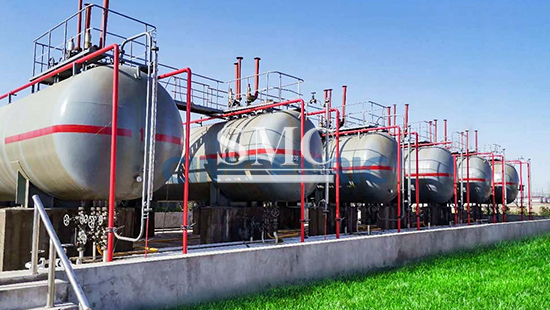
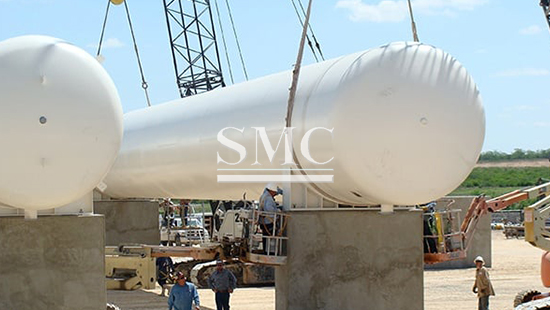
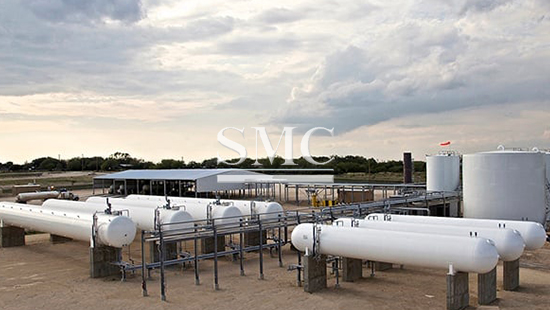
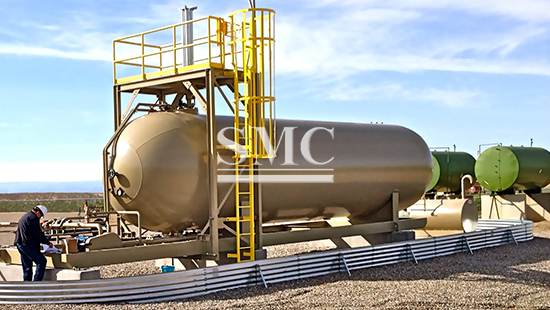
Liquefied Gas Storage Tank
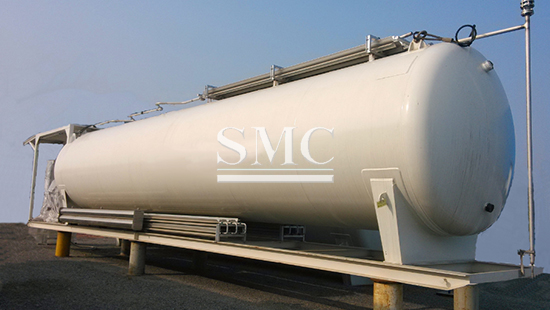
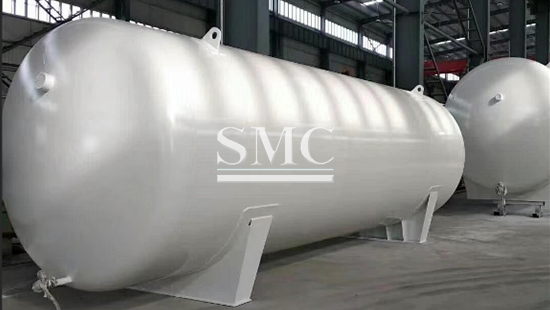
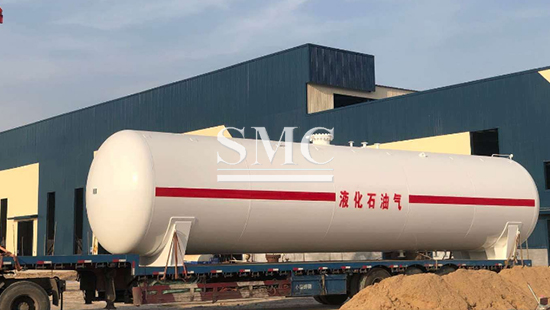
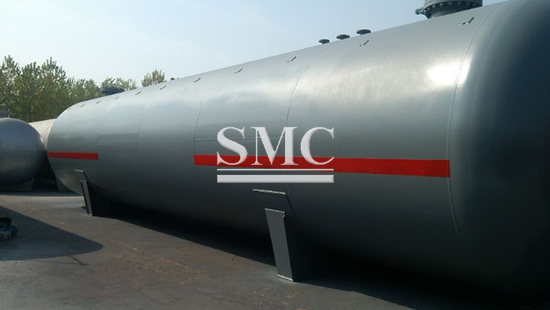
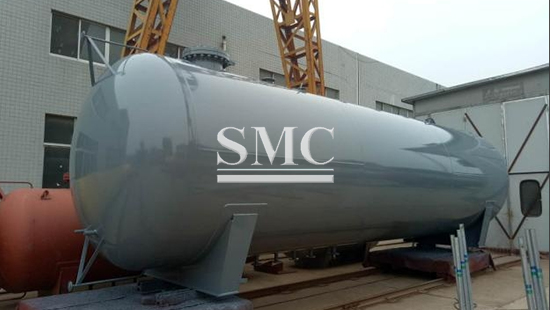
Storage Medium: Liquefied Petroleum Gas (LPG)
Tank Volume: 50 m³ / 100 m³
Tank Material: Q345R Steel
Shanghai Metal Corporation is a leading Liquefied Gas Storage Tank manufacturer and supplier.
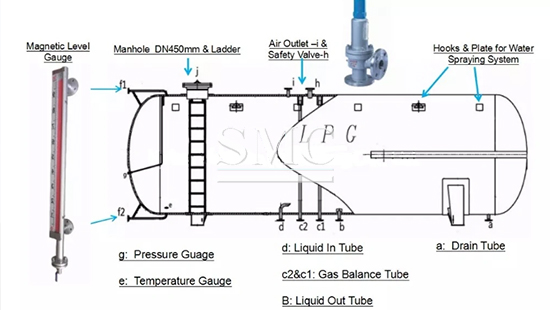
A liquefied gas storage tank is a pressure vessel used for bulk fuel storage at industrial facilities, gas distribution stations and commercial sites with centralized gas supply. It holds a reserve between deliveries, helping operators coordinate fuel replenishment with daily consumption and reduce frequent handling of individual cylinders. Tank selection should take account of site space, required storage reserve and connections to the downstream gas supply system.
If you want to know more about our storage tank products or Liquefied Gas Storage Tank price please feel free to contact us, we will reply you within 24 hours.

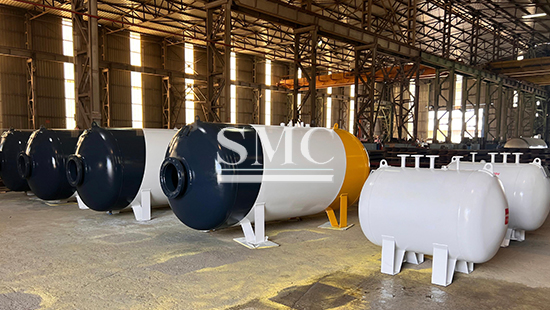
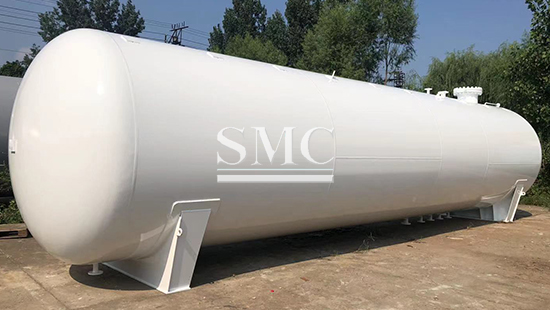




Technical Information of Liquefied gas storage tank:
|
project |
parameters |
project |
parameters |
|
Roll |
2-100m3 |
Casing Thickness |
14mm |
|
Tank material |
Q345R |
End Plate Thickness |
16mm |
|
Overall size |
10962*2728*3318mm |
Tank net weight |
12750KG |
|
Tank diameter |
2700mm |
Loading capacity |
23940KG |
|
Design Pressure |
1.77MPa |
Gas density |
420KG/m3 |
|
Hydraulic test pressure |
2.22MPa |
corrosion allowance |
1mm |
|
Design temperature |
-209C~60C |
Hot treatment |
Draft |
|
Vapour outlet |
DN50 |
Gas outlet |
DN50 |
|
Life span |
15year |
. |
. |
Packaging of Liquefied gas storage tank:
Standard Packaging:
The tank body is supplied with bare or partial protective packaging according to its dimensions and transportation requirements. The proposed packing arrangement includes protective covers for exposed connections, local wrapping around vulnerable fittings, and separate cartons or wooden cases for any detached valves, instruments and accessories.
Tank supports, blocking and cargo lashings are specified in the loading plan. Packing quantity, overall shipping dimensions, net weight and gross weight are recorded in the packing list. The final protection and securing arrangements must be confirmed before dispatch.
Shipping:
Sea freight is selected according to the tank’s dimensions, weight and destination. Container shipment may be considered where cargo dimensions and loading limits permit; oversized tanks require assessment for flat-rack or breakbulk shipment.
The quotation specifies the agreed trade terms, such as EXW, FOB or CIF, together with the shipment scope. Freight costs depend on cargo volume, gross weight, destination, handling requirements and the selected shipping method.
Required shipping and inspection documents are agreed before order confirmation. Packing and loading photographs should show fitting protection, accessory packages, cargo securing and shipping marks.
Lead Time
Samples: 15–20 working days
Standard orders: 20–35 working days
Customized orders: 35–45 working days


Q1: What information is needed for a quotation?
A: Please provide the gas composition, required tank volume, design pressure and temperature, installation location, quantity and destination port. Include any drawings and inspection requirements.
Q2: What determines the production lead time?
A:Lead time depends on drawing approval, material availability, fabrication and inspection requirements. The quotation will state the production schedule; shipping time is calculated separately.
Q3: What technical documents should be confirmed before ordering?
A:Agree on the required drawings, material certificates, inspection reports, pressure-test records and operating instructions. Any specific certification requirement must be reviewed before order confirmation.
Q4: How should I select a tank for an industrial fuel supply system?
A:Consider daily fuel consumption, peak demand and the interval between deliveries. Tank selection must also account for site space and compatibility with the downstream vaporization and pressure-regulation equipment.
Q5: What should be checked when connecting a tank to an existing gas station?
A:Provide the existing piping layout, connection sizes, pressure ratings and liquid and vapour transfer requirements. Confirm nozzle positions, valve arrangements and instrument connections against the approved tank drawing before fabrication.






here
for
price