
- Company overview The heart of SMC Vision & Philsophy Partnership Certifications Company culture
- Our service Design and Engineering Maintenance and Service Examine Production Line Upgrade and Transformation Storage and Logistics Processing, Trading and Distributor
- Management Our history Global responsibility Info Center
- Procurement center Internship
- Metal Steel Products Stainless Steel Products Aluminum Products Copper Products Galvanized Steel and PPGI Special Alloy Building Material
- Containers ISO Standard Container Equipment Container Storage Container Tank Container Container Fittings Container Trailer Refrigerated/Reefer Container Offshore Container Container House
- Gas Cylinder & Fire Extinguisher Cryogenic Liquid Cylinder Oxygen Gas Cylinder Storage Tank CNG Gas Cylinder LPG Gas Cylinder Hydrogen Gas Cylinder Nitrogen Gas Cylinder Industry Gas Cylinder Fire Extinguisher
- Metal Machinery Motor Forming Machine Cutting Machine Processing Machine Bending Machine Block Machine Spare Parts Other Machinery
- Mechanical Products Conveyor Belt Miscellany Mooring Equipment Laser Equipment Bearing Marine Equipment Vehicle Industry Pressure Vessel
- Electrical System Transformer Production Line Lighting System Power Distribution Automation Electrical Cable Solar Power System Electric Protection System
- Project Plastic Pipes and Pipe Fittings Fiberglass Reinforced Plastic Pontoon System
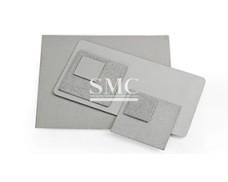
Ti -Ni Alloy Clad Plate/Titanium-Nickel Alloy Composite Plate

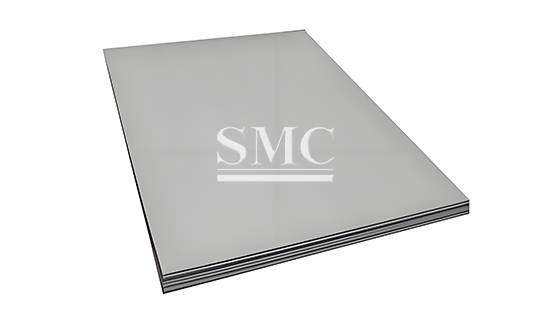
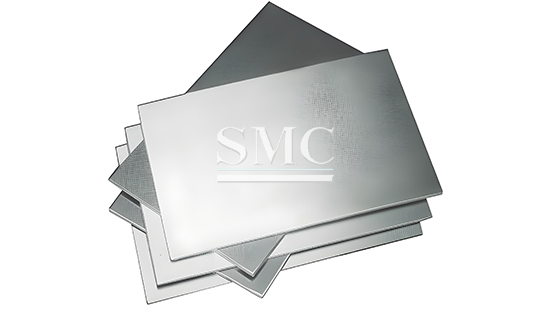
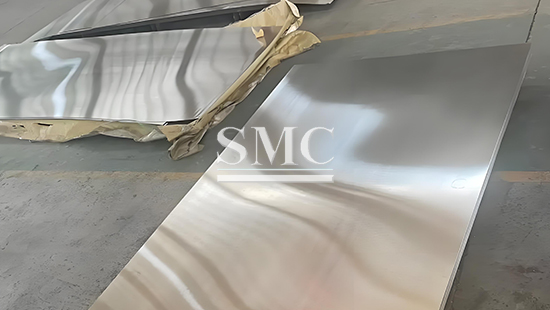
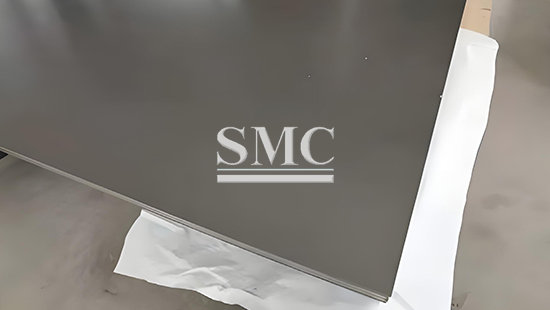
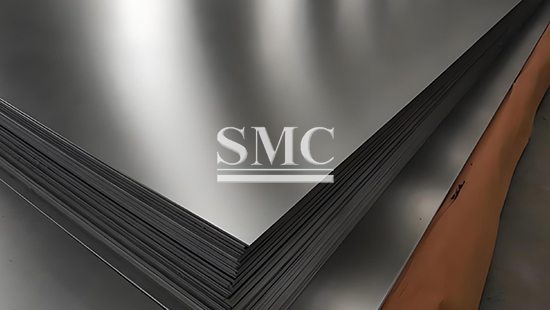



Ti Grade: Gr1, Gr2, Gr7, Gr11, Gr12, Gr16, Gr17 etc.
Ni Alloy Grade: Inconel 600,Inconel 601, Hastelloy C-276,Hastelloy C-22, Monel 400,Monel K-500etc.
Bonding method: explosion bonding, rolling, explosion + rolling
Titanium-Nickel Alloy Composite Plates combine titanium’s strength and corrosion resistance with nickel alloy’s performance benefits. This laminated material offers excellent seawater corrosion resistance, thermal stability, and fatigue strength. It’s ideal for demanding applications in chemical processing, aerospace, heat exchangers, and marine engineering, where durability and corrosion protection are critical.

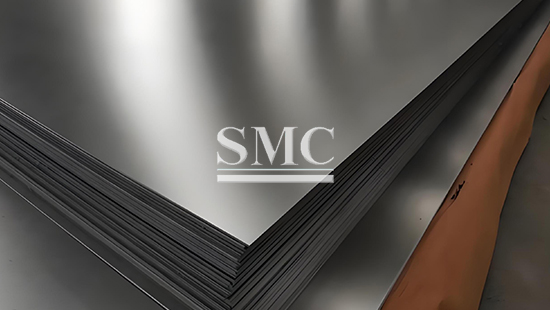

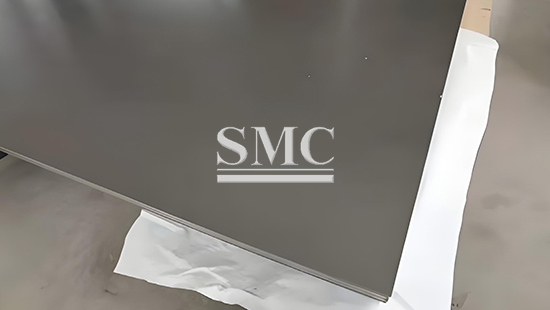


Packaging of Ti-Ni alloy clad plate:
Shanghai Metal Products are packed and labeled according to the regulations and customer's requests. Great care is taken to avoid any damage which might be caused during storage or transportation. In addition, clear labels are tagged on the outside of the packages for easy identification of the product I. D. and quality information.
1) Shanghai Metal Standard
2)Customization
Q1.What information do you need for a custom quotation?
A: We need the base material grade, Nitinol layer thickness, overall dimensions, required bonding method, and most importantly, the target Phase Transformation Temperature (e.g., Af temperature) if utilizing the shape memory effect.
Q2.What is the MOQ and production lead time?
A: Due to the complex vacuum diffusion or explosive bonding process of Nitinol, the Minimum Order Quantity (MOQ) is typically 50 kg or 1 standard plate size. Production lead time ranges from 35 to 60 working days.
Q3.Can I weld the Nitinol side of the clad plate?
A: Welding Nitinol directly to other metals is highly discouraged due to the formation of brittle intermetallics. The primary advantage of our clad plate is that you can weld the steel/copper base side to your structural components using standard TIG/MIG welding, avoiding Nitinol welding entirely.
Q4.Does the plate offer superelasticity or shape memory?
A: It can offer either, depending on the specific NiTi alloy composition (e.g., Titanium-rich vs. Nickel-rich) and the heat treatment process we apply during manufacturing. Please specify your application temperature range when ordering.
Q5.How do you prevent intermetallic compounds at the bonding interface?
A: We use proprietary intermediate buffer layers (such as pure Tantalum or Niobium) during the vacuum diffusion welding process to block the migration of Ti and Fe atoms, ensuring a high-strength, ductile metallurgical bond.
here
for
price